Check Engine Light

Check Engine Light Diagnosis in Raleigh, NC — Mobile

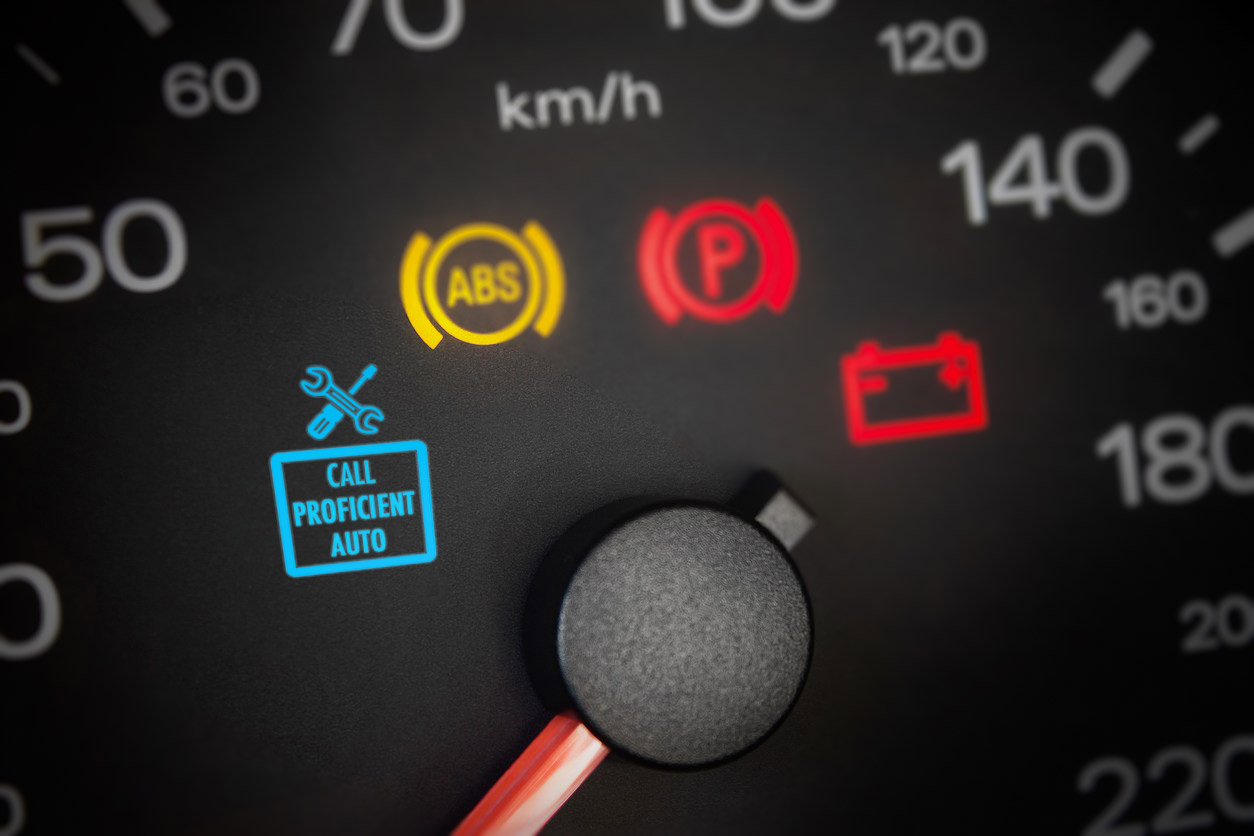
A check engine light is a starting point, not a diagnosis. A code from a parts-store reader tells you which system is unhappy — it doesn't tell you which part to replace. We bring a real scan tool to your driveway, pull the full picture, and tell you honestly what it is and what it'll take to fix.

4.7 on Google · 220+ reviews
ASE-Certified
Same-week appointments

What a real check-engine-light diagnostic includes

A mobile diagnostic. Here's what's actually in it:

  • Full OBD-II scan across every module — engine, transmission, ABS, airbag, body — not just the powertrain codes a basic reader sees
  • Pending and stored codes plus freeze-frame data (what the engine was doing when the fault tripped)
  • Live data review — fuel trims, O2 sensors, MAF readings, ignition timing, misfire counters
  • Visual inspection of the obvious suspects: intake leaks, loose connectors, damaged wiring, gas cap condition
  • Manufacturer-specific module data when applicable (some faults never show on generic readers)
  • A written, plain-English explanation of what we found and what your options are

Why a code alone isn't a diagnosis

Take a P0420 — 'catalyst efficiency below threshold.' That code can be a failing catalytic converter, a bad upstream or downstream O2 sensor, an exhaust leak, a misfire that's damaging the cat, or a fuel-trim problem that's overloading it. Five very different repairs, one code.

Cylinder misfire codes (P0300 series) are similar — sometimes coil packs, sometimes spark plugs, sometimes injectors, sometimes compression, sometimes a vacuum leak. We do the work to narrow it down before recommending parts.

Common check-engine-light causes we see

Patterns, not certainties. These are starting points for the diagnostic.

  • Loose or failing gas cap — surprisingly common evap-system trigger
  • Failed O2 or air-fuel sensor — often the first thing replaced when fuel trims drift
  • Coil pack or spark plug — common misfire cause, especially over 80k miles
  • Vacuum leak — intake gasket, PCV hose, or a cracked vacuum line throwing the fuel mixture off
  • Failing catalytic converter — usually downstream of a longer-running problem that was ignored
  • EVAP purge or vent valve — common cause of recurring evap codes
  • Mass airflow sensor — sensitive to oil contamination from over-oiled aftermarket filters

Flashing vs. solid check engine light

A solid light means 'something needs attention but the car is safe to drive carefully to your next stop.' A flashing or blinking check engine light means active misfire — keep driving and you risk damaging the catalytic converter, which turns a sensor-and-coil job into a much bigger one. If yours is flashing, call us and stop driving it as soon as you safely can.

Common questions

Frequently asked questions

Can't I just get a free code read at AutoZone?
You can, and it's fine as a starting point. The limitation is that the reader only sees generic powertrain codes — not transmission, ABS, body, or manufacturer-specific data — and it doesn't have the live-data tools to confirm which part actually failed. That's the difference between a code and a diagnosis.
Is it safe to drive with the check engine light on?
Solid light: usually yes, but get it diagnosed soon — ignored CEL faults often grow into bigger repairs. Flashing or blinking light: no, that means active misfire and you're risking catalytic converter damage every mile. Pull over when safe and call us.
Will my car pass inspection with the light on?
North Carolina dropped the safety inspection requirement, but emissions inspection (in counties that still require it) does check check-engine-light status and OBD-II readiness. If you have an upcoming emissions inspection, get the CEL diagnosed first.
How much will the repair cost after the diagnostic?
We won't quote a number here without seeing the car — quotes for specific repairs vary a lot by vehicle, part availability, and what the diagnostic actually turns up. What we will commit to: the written quote you get is the price you pay.
Where do you serve?
Raleigh, Durham, Cary, Chapel Hill, Apex, Wake Forest, Garner, Fuquay-Varina, Holly Springs, Clayton, Knightdale, Morrisville, Wendell, and Rolesville. We come to your home, office, or wherever the vehicle is sitting.
What's your warranty?
12 months or 12,000 miles on parts and labor — whichever comes first. Same warranty on every repair, regardless of vehicle.
How fast can you come out?
Most appointments are booked same-week, and we can often handle batteries, no-starts, and diagnostics sooner when the schedule allows. Call 919-675-AUTO or request a quote and we'll text back with a window.
Ready to skip the shop?

Get a free, no-pressure quote — usually within the hour. We come to your home, office, or wherever the car is sitting.